The 5 Best Things You Can Start Doing Today to Add Years to Your Life
Written by Susan Parker | Updated on August 7, 2026
Reviewed by Susan Parker

Written by Susan Parker | Updated on August 7, 2026
Reviewed by Susan Parker
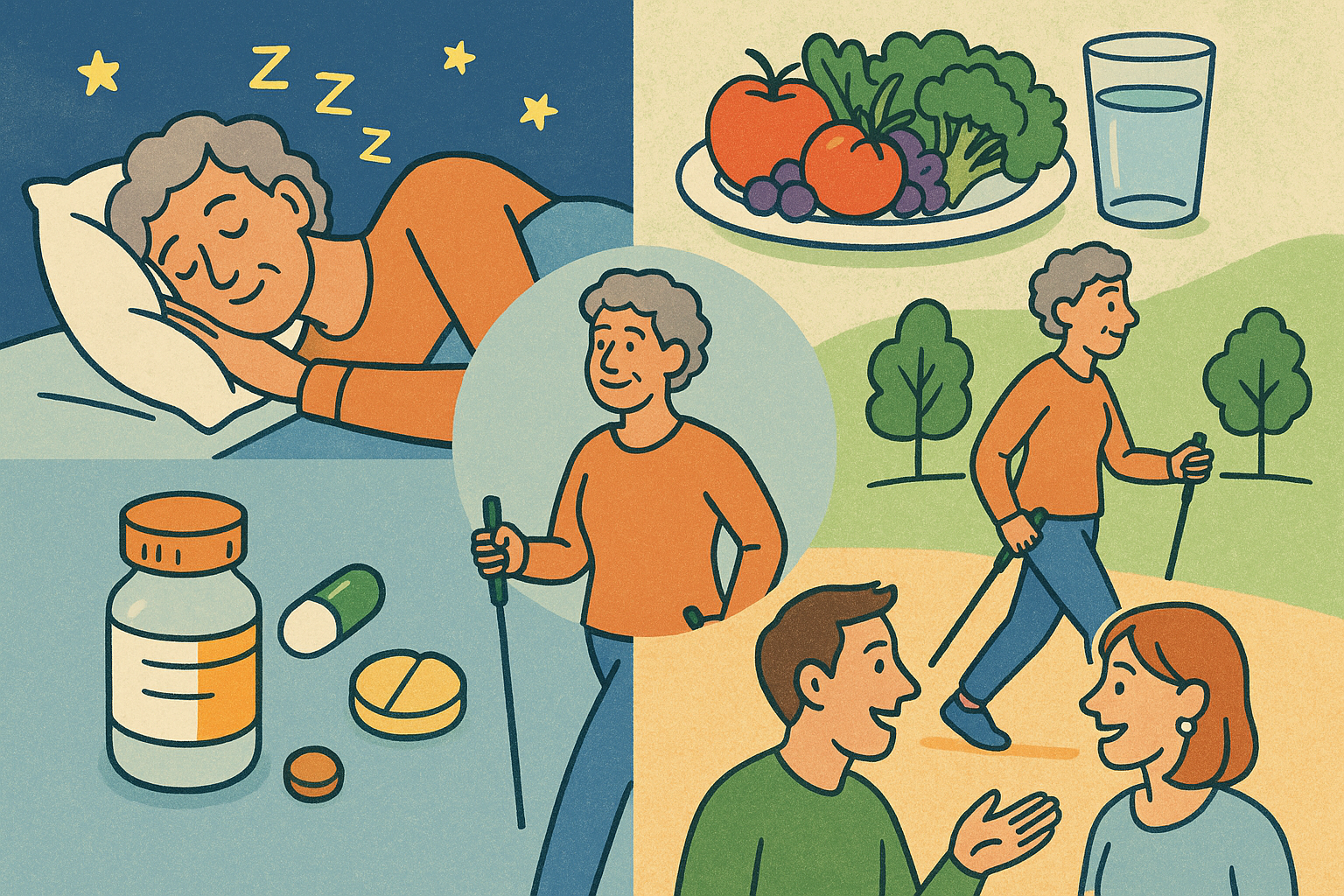
Key Takeaways
Consistent, quality sleep of 7-9 hours nightly is strongly linked to reduced risk of chronic disease and early death.
Even small amounts of daily movement—not just gym workouts—can significantly lower mortality risk.
A diet rich in whole, plant-based foods and low in ultra-processed items supports long-term metabolic and cardiovascular health.
Strong social relationships are one of the most powerful predictors of longevity, rivaling traditional health metrics.
Managing chronic stress through mindfulness and nature exposure can slow cellular aging and reduce disease risk.
Frequently Asked Questions
Longevity has become one of the most researched topics in modern medicine, and the findings consistently point to a reassuring truth: you don't need extreme measures or expensive interventions to live a longer, healthier life. Decades of population studies, clinical trials, and biomarker research have identified a handful of daily habits that reliably correlate with extended lifespan and, perhaps more importantly, extended healthspan—the number of years you remain active, independent, and free from chronic disease.
Below are five evidence-backed habits that researchers and physicians agree can meaningfully influence how long—and how well—you live. None of them require a prescription, and all of them can be started today.
Sleep is often the first casualty of a busy schedule, yet it may be one of the most powerful longevity tools available. Large-scale cohort studies, including research published in Sleep Medicine Reviews, have linked chronic short sleep (less than six hours per night) with increased risk of cardiovascular disease, type 2 diabetes, and all-cause mortality. Poor sleep also disrupts the body's ability to regulate blood sugar, repair tissue, and clear metabolic waste from the brain.
Exercise is one of the most well-documented longevity interventions in medical literature. A landmark study in The British Journal of Sports Medicine found that even modest amounts of moderate physical activity—as little as 11 minutes a day—were associated with a significantly reduced risk of premature death. But the benefits extend beyond structured workouts; everyday movement, sometimes called "non-exercise activity thermogenesis," also plays a critical role.
Diet is arguably the most studied variable in longevity science, and the pattern that emerges across cultures—from the Mediterranean coast to the islands of Okinawa—is remarkably consistent. Diets high in vegetables, legumes, whole grains, nuts, and healthy fats, and low in ultra-processed foods and added sugars, are associated with lower rates of heart disease, cancer, and cognitive decline.
Research published in The BMJ found that higher consumption of ultra-processed foods was linked to a significantly increased risk of early death, likely due to their impact on inflammation, gut health, and metabolic function.
Loneliness and social isolation are increasingly recognized as serious health risks—on par with smoking and obesity, according to a meta-analysis published in Perspectives on Psychological Science. Strong social ties have been shown to lower stress hormone levels, support immune function, and even improve survival rates after serious illness.
The famous Harvard Study of Adult Development, one of the longest-running studies on human happiness, found that the quality of a person's relationships was a stronger predictor of long-term health and longevity than cholesterol levels or genetic factors.
Chronic stress accelerates biological aging by increasing inflammation, elevating cortisol levels, and even shortening telomeres—the protective caps on our DNA that are closely linked to cellular aging. A study published in JAMA Psychiatry found that individuals with high chronic stress levels had a meaningfully higher risk of cardiovascular events and early mortality.
Fortunately, stress management doesn't require hours of meditation retreats. Even brief, consistent mindfulness practices can produce measurable physiological benefits.
Longevity isn't determined by a single dramatic change—it's built through the accumulation of small, consistent choices made day after day. Prioritizing sleep, moving regularly, eating whole foods, nurturing relationships, and managing stress are five pillars supported by decades of scientific research. None of these require significant financial investment or drastic lifestyle overhauls; they simply require consistency and intention.
Start with one habit this week. Once it feels sustainable, layer in another. Over time, these small shifts compound into meaningful changes—not just in how long you live, but in how well you live those extra years.
Susan Parker is a 49-year-old Senior Manager at a marketing firm. With two older children becoming more independent, she is now focusing on her own health and wellbeing. She’s passionate about natural and holistic health approaches, and values high-quality, trustworthy products. Susan enjoys yoga, gardening, reading, and cooking, and seeks to stay energetic and sharp while balancing a busy career and personal life.
 11 sources cited
