The Red Wine Compound That Could Add Years to Your Life: Unveiling Resveratrol's Anti-Aging Secrets
Written by Susan Parker | Updated on May 27, 2026
Reviewed by Susan Parker

Written by Susan Parker | Updated on May 27, 2026
Reviewed by Susan Parker
Key Takeaways
Resveratrol activates sirtuins (longevity genes) and mimics the life-extending effects of caloric restriction at the cellular level
The compound provides significant cardiovascular benefits, potentially explaining the French Paradox and supporting heart health
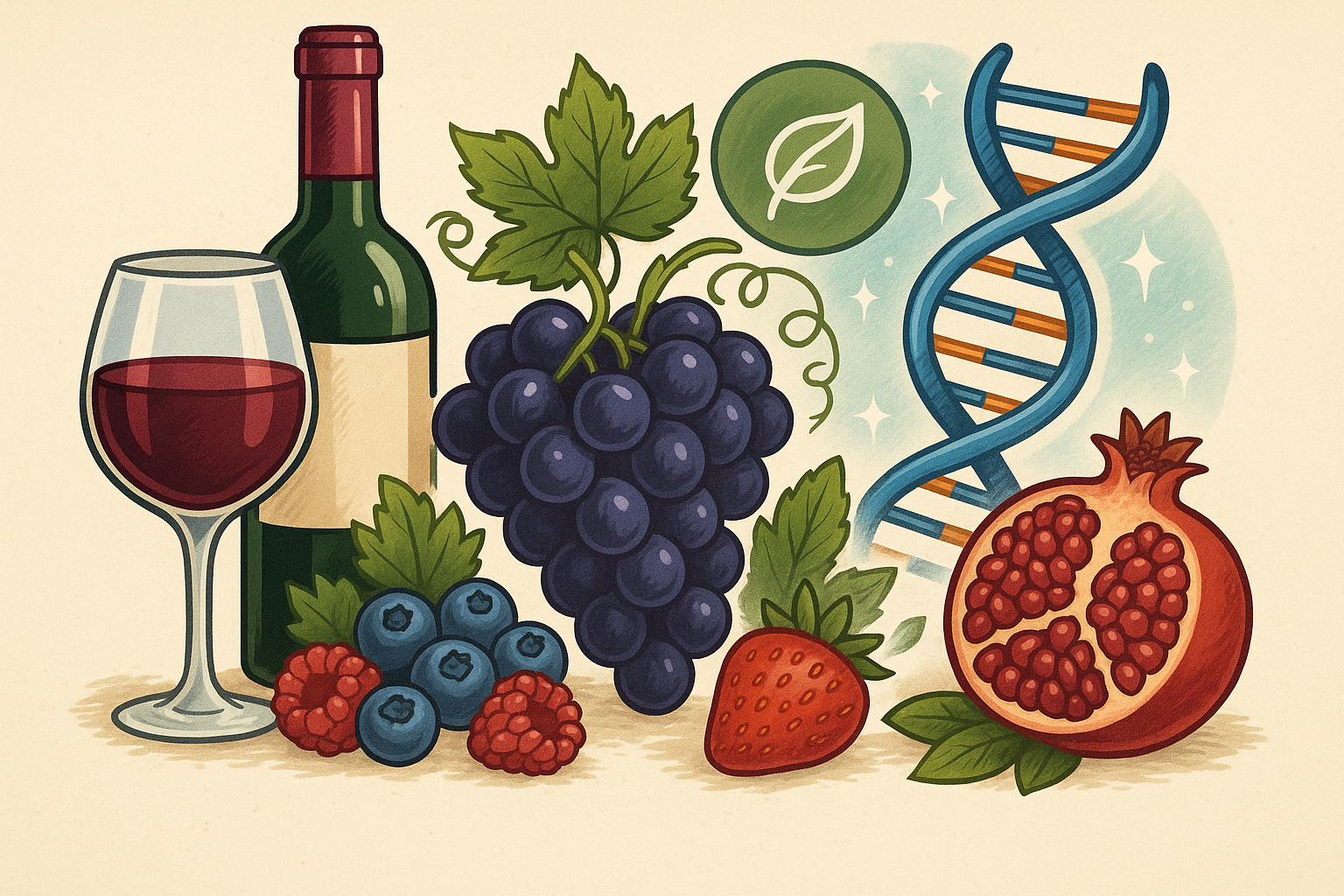
Natural sources include red wine, dark grapes, berries, peanuts, and dark chocolate, with red wine containing the highest concentrations
Resveratrol offers neuroprotective benefits and may help maintain cognitive function as we age
Regular, moderate intake from dietary sources is more beneficial than sporadic high doses, and absorption improves when consumed with healthy fats
Frequently Asked Questions
Key Takeaways
Resveratrol activates sirtuins (longevity genes) and mimics the life-extending effects of caloric restriction at the cellular level
The compound provides significant cardiovascular benefits, potentially explaining the French Paradox and supporting heart health
Natural sources include red wine, dark grapes, berries, peanuts, and dark chocolate, with red wine containing the highest concentrations
Resveratrol offers neuroprotective benefits and may help maintain cognitive function as we age
Regular, moderate intake from dietary sources is more beneficial than sporadic high doses, and absorption improves when consumed with healthy fats
Frequently Asked Questions
In the quest for longevity, scientists have discovered a remarkable compound hiding in plain sight—one that's been consumed for centuries in Mediterranean cultures known for their exceptional lifespans. Resveratrol, a powerful polyphenol found in red wine and various plant sources, has emerged as one of the most promising anti-aging compounds in modern research, offering potential benefits that extend far beyond what many realize.
This naturally occurring antioxidant has captured the attention of longevity researchers worldwide, with studies suggesting it may hold the key to activating the same cellular pathways that caloric restriction—the only proven method to extend lifespan in laboratory animals—triggers naturally.
Resveratrol's anti-aging potential lies in its ability to activate sirtuins, a family of proteins often referred to as "longevity genes." These cellular guardians play crucial roles in DNA repair, metabolic regulation, and stress resistance—all fundamental processes that decline with age.
Research has shown that resveratrol mimics the effects of caloric restriction at the cellular level, potentially extending healthspan and lifespan without the need for severe dietary limitations. Studies conducted on various organisms, from yeast to mice, have demonstrated significant life extension when resveratrol supplementation is introduced.
One of resveratrol's most significant benefits is its ability to enhance cellular repair mechanisms. The compound helps protect against oxidative stress and inflammation—two primary drivers of aging. By neutralizing free radicals and supporting the body's natural antioxidant systems, resveratrol helps maintain cellular integrity over time.
Resveratrol also influences metabolic pathways associated with energy production and glucose regulation. Studies suggest it may improve insulin sensitivity and support healthy blood sugar levels, factors that play crucial roles in healthy aging and longevity.
The cardiovascular benefits of resveratrol have been extensively studied, largely inspired by observations of the "French Paradox"—the phenomenon where French populations showed lower rates of heart disease despite consuming diets rich in saturated fats, potentially due to their regular red wine consumption.
Research indicates that resveratrol may:
These cardiovascular benefits contribute significantly to longevity, as heart disease remains one of the leading causes of mortality in aging populations.
Emerging research suggests that resveratrol may offer significant neuroprotective benefits, potentially helping to maintain cognitive function as we age. The compound appears to cross the blood-brain barrier effectively, where it can exert direct protective effects on brain tissue.
Studies have shown that resveratrol may help protect against neurodegenerative conditions by reducing neuroinflammation and supporting the clearance of harmful protein aggregates associated with cognitive decline. Additionally, its ability to enhance blood flow to the brain may support overall cognitive performance and memory function.
While resveratrol supplements are widely available, obtaining this compound from natural food sources provides additional benefits through synergistic compounds and improved bioavailability.
Red Wine and Grapes: Red wine contains the highest concentrations of resveratrol among common foods, with levels varying based on grape variety and production methods. Dark-skinned grapes, particularly Pinot Noir and Cabernet Sauvignon varieties, are excellent sources.
Berries: Blueberries, cranberries, and mulberries contain significant amounts of resveratrol, along with other beneficial antioxidants that work synergistically to enhance health benefits.
Peanuts: Surprisingly, peanuts and peanut butter are excellent sources of resveratrol, making them accessible options for those who don't consume alcohol.
Dark Chocolate: High-quality dark chocolate with at least 70% cacao content provides resveratrol along with other beneficial flavonoids.
Japanese Knotweed: This plant contains one of the highest concentrations of resveratrol and is commonly used in supplement production.
To optimize resveratrol absorption, consider consuming it with healthy fats, as this fat-soluble compound is better absorbed when paired with foods like nuts, avocado, or olive oil. Additionally, combining resveratrol-rich foods with quercetin-containing foods (such as onions and apples) may enhance its bioavailability and effectiveness.
Incorporating resveratrol into a longevity-focused lifestyle doesn't require dramatic changes. Simple strategies include:
The key is consistency rather than large amounts—research suggests that regular, moderate intake provides more benefits than sporadic high doses.
As longevity research continues to evolve, resveratrol remains at the forefront of anti-aging compound studies. Current research is exploring optimal dosing strategies, combination therapies with other longevity compounds, and the development of more bioavailable forms.
While more human studies are needed to fully understand resveratrol's long-term effects on human lifespan, the existing evidence strongly supports its role in promoting healthspan—the number of years lived in good health—which may be equally important as total lifespan.
The remarkable properties of resveratrol offer a compelling example of how nature provides powerful tools for healthy aging. By understanding and utilizing this compound through dietary sources or targeted supplementation, we may be able to activate our body's own longevity pathways and add not just years to our lives, but life to our years. As research continues to unveil the full potential of this remarkable compound, resveratrol stands as a promising ally in the pursuit of healthy, vibrant aging.

Susan Parker is a 49-year-old Senior Manager at a marketing firm. With two older children becoming more independent, she is now focusing on her own health and wellbeing. She’s passionate about natural and holistic health approaches, and values high-quality, trustworthy products. Susan enjoys yoga, gardening, reading, and cooking, and seeks to stay energetic and sharp while balancing a busy career and personal life.
 11 sources cited