The Antioxidant Hiding in Your Wine Glass: Why Resveratrol Might Be the Longevity Compound You're Missing
Written by Susan Parker | Updated on July 29, 2026
Reviewed by Susan Parker

Written by Susan Parker | Updated on July 29, 2026
Reviewed by Susan Parker
Key Takeaways
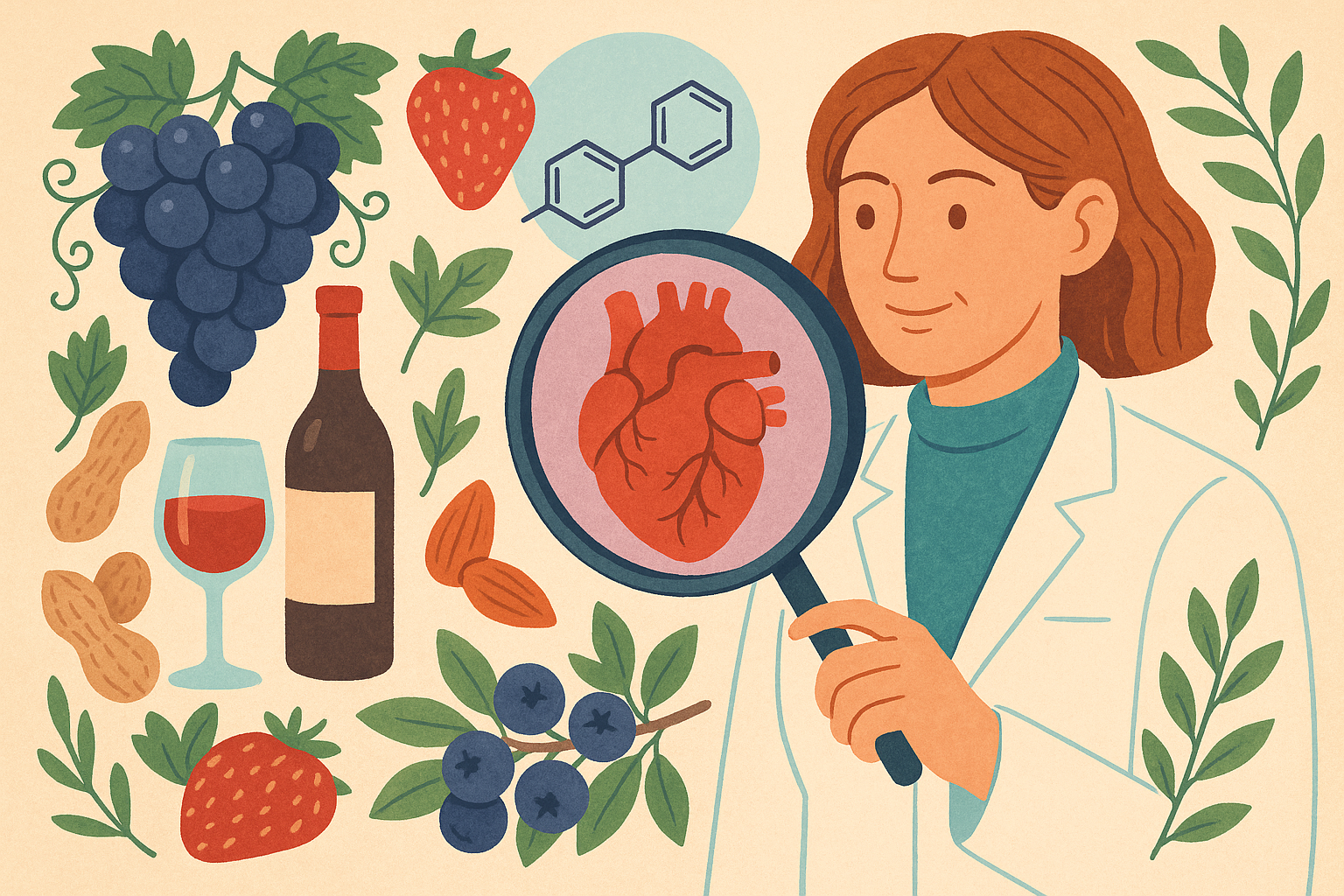
Resveratrol is a polyphenol found in red grape skins, berries, peanuts, pistachios, and dark chocolate, with Japanese knotweed serving as the primary source for most supplements.
Research suggests resveratrol may support cardiovascular health by improving blood vessel function and helping maintain healthy cholesterol levels.
This compound activates sirtuins, proteins linked to cellular repair and longevity pathways, making it a key focus in aging research.
While animal studies show promising results, human clinical trials have produced more modest findings, suggesting resveratrol works best as part of a broader healthy lifestyle rather than a standalone solution.
Practical ways to increase resveratrol intake include eating more berries and nuts, choosing dark chocolate, and consulting a healthcare provider before starting supplements.
Frequently Asked Questions
Key Takeaways
Resveratrol is a polyphenol found in red grape skins, berries, peanuts, pistachios, and dark chocolate, with Japanese knotweed serving as the primary source for most supplements.
Research suggests resveratrol may support cardiovascular health by improving blood vessel function and helping maintain healthy cholesterol levels.
This compound activates sirtuins, proteins linked to cellular repair and longevity pathways, making it a key focus in aging research.
While animal studies show promising results, human clinical trials have produced more modest findings, suggesting resveratrol works best as part of a broader healthy lifestyle rather than a standalone solution.
Practical ways to increase resveratrol intake include eating more berries and nuts, choosing dark chocolate, and consulting a healthcare provider before starting supplements.
Frequently Asked Questions
Deep in the skins of red grapes lies a compound that has captivated longevity researchers for decades. Resveratrol, a naturally occurring polyphenol, first caught scientific attention in the 1990s when researchers tried to explain the so-called "French Paradox"—why populations with diets rich in saturated fats still enjoyed relatively low rates of heart disease. While the story has grown more nuanced since then, resveratrol has remained a fixture in longevity science, celebrated for its antioxidant power and its potential role in healthy aging.
But what exactly is resveratrol, where does it come from, and does the science support the hype? Let's take a closer look at this fascinating compound and what it might mean for your health.
Resveratrol belongs to a class of plant compounds called stilbenes. Plants produce it as a defense mechanism—a way to protect themselves from environmental stressors like fungal infections, UV radiation, and drought. When you consume resveratrol, you're essentially benefiting from a plant's own survival strategy.
This compound gained widespread attention when scientists discovered it activates certain proteins called sirtuins, which are linked to cellular repair and longevity pathways. This discovery sparked a wave of interest in resveratrol as a potential "longevity molecule," inspiring countless supplements and prompting extensive research into its effects on aging, metabolism, and disease prevention.
While red wine often steals the spotlight, resveratrol is found in a variety of natural sources. Understanding where to find it can help you incorporate it into your diet more strategically.
For those seeking more concentrated doses than diet alone can provide, resveratrol supplements are widely available. These typically come in capsule or powder form and often deliver significantly higher doses than you'd get from food sources. However, experts caution that more research is needed to determine optimal dosing and long-term safety for supplemental use.
Resveratrol's popularity stems from a growing body of research suggesting it may support multiple aspects of health. While much of this research is still evolving, several benefits have emerged as particularly promising.
Resveratrol appears to support heart health through several mechanisms. Studies suggest it may help improve blood vessel function, reduce inflammation, and support healthy cholesterol levels. Some research indicates it may help prevent LDL cholesterol from oxidizing, a process linked to plaque buildup in arteries.
Chronic inflammation is increasingly recognized as a driver of age-related diseases, from arthritis to cardiovascular conditions. Resveratrol has demonstrated anti-inflammatory effects in numerous studies, potentially helping to calm the low-grade inflammation that tends to increase with age.
Perhaps the most exciting area of resveratrol research involves its interaction with sirtuins—proteins associated with cellular repair, DNA stability, and metabolic regulation. Animal studies have shown that resveratrol can activate these pathways in ways that mimic some effects of caloric restriction, a dietary approach long associated with extended lifespan in various species.
While human studies are still catching up to the promising animal research, this connection to fundamental aging mechanisms is part of what makes resveratrol so intriguing to longevity scientists.
Emerging research suggests resveratrol may support brain health by improving blood flow to the brain and reducing oxidative stress, a factor implicated in cognitive decline. Some studies have found associations between resveratrol supplementation and improved memory performance, though larger clinical trials are needed to confirm these effects.
Several studies have explored resveratrol's potential role in supporting healthy blood sugar levels. It may help improve insulin sensitivity, making it an area of interest for those focused on metabolic health.
If you're interested in adding more resveratrol to your routine, consider these practical approaches:
It's worth noting that much of the most compelling resveratrol research has been conducted in animal models or laboratory settings, using doses far higher than what's typically achievable through diet. Human clinical trials have shown more modest and sometimes inconsistent results. This doesn't diminish resveratrol's potential, but it does suggest that viewing it as a single "miracle molecule" oversimplifies a complex picture.
The most sensible approach is likely to view resveratrol as one piece of a broader puzzle—a beneficial compound best obtained through a varied, plant-rich diet rather than relied upon as a standalone solution for longevity or disease prevention.
Resveratrol represents a fascinating example of how compounds found in everyday foods can offer meaningful health benefits when better understood. From its origins as a plant's natural defense mechanism to its potential role in human cellular health, this polyphenol continues to intrigue researchers studying aging and longevity.
While it's not a magic bullet, incorporating resveratrol-rich foods into a balanced diet—alongside other evidence-based healthy lifestyle choices like regular exercise, quality sleep, and stress management—may contribute to your overall wellness strategy. As research continues to evolve, resveratrol remains a compelling reminder that some of nature's most powerful health allies come from the plants we already have access to.

Susan Parker is a 49-year-old Senior Manager at a marketing firm. With two older children becoming more independent, she is now focusing on her own health and wellbeing. She’s passionate about natural and holistic health approaches, and values high-quality, trustworthy products. Susan enjoys yoga, gardening, reading, and cooking, and seeks to stay energetic and sharp while balancing a busy career and personal life.
 11 sources cited