The Master Antioxidant You've Never Heard Of: What Glutathione Does for Your Body and How to Boost It Naturally
Written by Susan Parker | Updated on July 9, 2026
Reviewed by Susan Parker

Written by Susan Parker | Updated on July 9, 2026
Reviewed by Susan Parker
Key Takeaways
Glutathione is a naturally occurring antioxidant made from three amino acids that supports detoxification, immune function, and cellular repair.
Levels of glutathione decline naturally with age and can be further depleted by stress, poor diet, alcohol, and toxin exposure.
Eating sulfur-rich foods, consuming adequate protein, and exercising regularly can help support the body's natural glutathione production.
Nutrients like vitamin C, selenium, alpha-lipoic acid, and NAC can support glutathione synthesis and recycling.
Supporting glutathione precursors through diet and lifestyle may be more effective than direct supplementation due to absorption challenges.
Frequently Asked Questions
Key Takeaways
Glutathione is a naturally occurring antioxidant made from three amino acids that supports detoxification, immune function, and cellular repair.
Levels of glutathione decline naturally with age and can be further depleted by stress, poor diet, alcohol, and toxin exposure.
Eating sulfur-rich foods, consuming adequate protein, and exercising regularly can help support the body's natural glutathione production.
Nutrients like vitamin C, selenium, alpha-lipoic acid, and NAC can support glutathione synthesis and recycling.
Supporting glutathione precursors through diet and lifestyle may be more effective than direct supplementation due to absorption challenges.
Frequently Asked Questions
If you've spent any time researching longevity, you've likely encountered a laundry list of vitamins, minerals, and trendy supplements promising to slow aging. But there's one molecule that scientists have quietly studied for decades, one that your body produces on its own, and one that may be more critical to healthy aging than almost anything else you're currently taking. It's called glutathione, and if your levels are low, you could be feeling the effects without even knowing it.
Despite its outsized importance, glutathione rarely makes headlines the way collagen or vitamin D does. Yet researchers often refer to it as the body's "master antioxidant"—a title it has earned through its central role in protecting cells, supporting detoxification, and maintaining the delicate balance that keeps us functioning at our best.
Glutathione is a small protein, technically called a tripeptide, made up of three amino acids: glutamine, glycine, and cysteine. Unlike vitamins that must come entirely from food, your body actually manufactures glutathione on its own, primarily in the liver. Every cell in your body contains some amount of it, which speaks to how fundamental it is to basic cellular function.
What makes glutathione unique compared to other antioxidants, like vitamin C or vitamin E, is its ability to regenerate itself after neutralizing harmful molecules. This recycling capability allows it to keep working continuously, making it especially valuable in the fight against oxidative stress, a process linked to aging, chronic disease, and cellular damage.
Oxidative stress occurs when unstable molecules called free radicals accumulate faster than your body can neutralize them. Over time, this imbalance damages cells, proteins, and even DNA. It's a process implicated in everything from wrinkles and gray hair to more serious concerns like heart disease, neurodegenerative disorders, and certain cancers.
Glutathione acts as a frontline defender against this damage. But its responsibilities extend well beyond antioxidant duty:
Given these roles, it's no surprise that researchers have linked declining glutathione levels to a wide range of age-related conditions, including cognitive decline, cardiovascular disease, and weakened immune function.
Here's the challenge: glutathione production naturally decreases as we age. Studies suggest that levels can drop significantly from young adulthood into our senior years, which may partly explain why older adults are more susceptible to oxidative stress-related conditions.
Several factors accelerate this decline beyond normal aging, including:
The good news is that unlike some biological processes we can't control, glutathione production is highly responsive to lifestyle changes. This means there's real opportunity to support your body's natural production, even later in life.
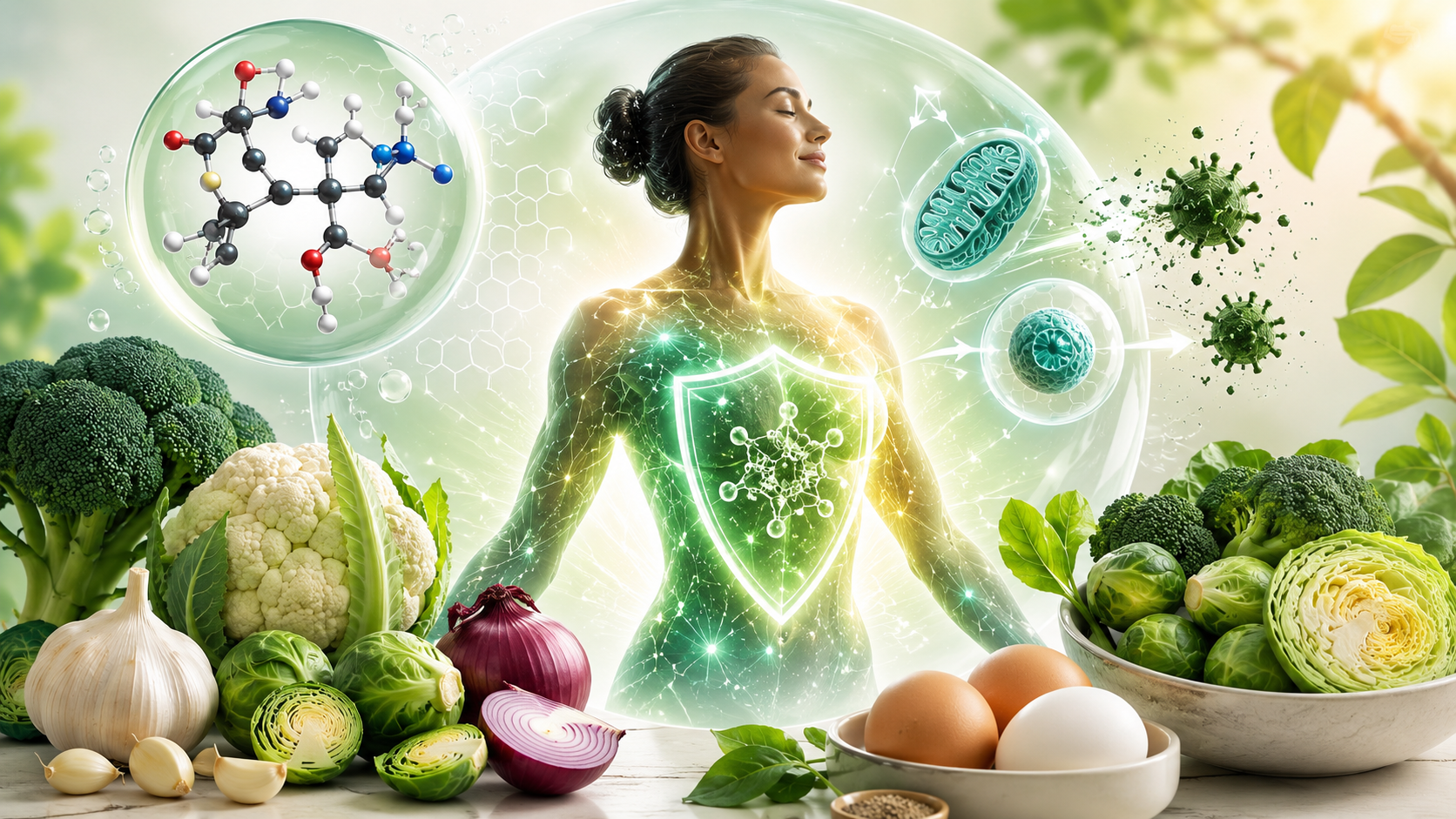
Since cysteine is one of the building blocks of glutathione, and sulfur compounds support its production, eating foods rich in sulfur can make a meaningful difference. Consider incorporating more of the following into your diet:
Because glutathione is made from amino acids, adequate protein intake is essential. Whey protein, in particular, has been studied for its ability to boost glutathione levels due to its high cysteine content.
Physical activity, particularly a mix of aerobic and resistance training, has been shown to stimulate the body's natural antioxidant defenses, including glutathione production. Even moderate, consistent movement appears to offer benefits.
Several nutrients support glutathione synthesis or help recycle it once it's used. These include:
Chronic stress and poor sleep quality both contribute to oxidative stress, which depletes glutathione reserves. Simple, sustainable habits, such as maintaining a consistent sleep schedule, practicing mindfulness, or spending time outdoors, can help protect your antioxidant reserves over time.
Reducing alcohol intake, avoiding tobacco smoke, and minimizing exposure to environmental pollutants can lessen the burden on your body's detoxification systems, allowing glutathione to be used more efficiently rather than constantly depleted.
Direct glutathione supplements exist, but oral absorption can be inconsistent due to how the digestive system breaks down proteins. For this reason, many experts suggest that supporting the body's natural production through precursors like NAC, alpha-lipoic acid, and a nutrient-dense diet may be more effective for most people than taking glutathione itself.
As always, it's wise to speak with a healthcare provider before starting any new supplement regimen, particularly if you have existing health conditions or take medications.
Glutathione may not have the name recognition of collagen or omega-3s, but its role in protecting your cells, supporting detoxification, and maintaining a strong immune system make it one of the most important molecules in the body. While levels naturally decline with age, the choices you make each day, from the foods you eat to how well you sleep, can meaningfully influence how much of this master antioxidant your body produces and retains.
Supporting your glutathione levels isn't about chasing a trend. It's about giving your body the tools it needs to defend itself, repair itself, and function optimally for years to come.

Susan Parker is a 49-year-old Senior Manager at a marketing firm. With two older children becoming more independent, she is now focusing on her own health and wellbeing. She’s passionate about natural and holistic health approaches, and values high-quality, trustworthy products. Susan enjoys yoga, gardening, reading, and cooking, and seeks to stay energetic and sharp while balancing a busy career and personal life.
 11 sources cited