What Is NAD and How Do I Increase It? The Cellular Molecule Behind Healthy Aging
Written by Susan Parker | Updated on July 23, 2026
Reviewed by Susan Parker

Written by Susan Parker | Updated on July 23, 2026
Reviewed by Susan Parker
Key Takeaways
NAD (nicotinamide adenine dinucleotide) is a critical coenzyme involved in energy production, DNA repair, immune function, and activating longevity-related sirtuin proteins.
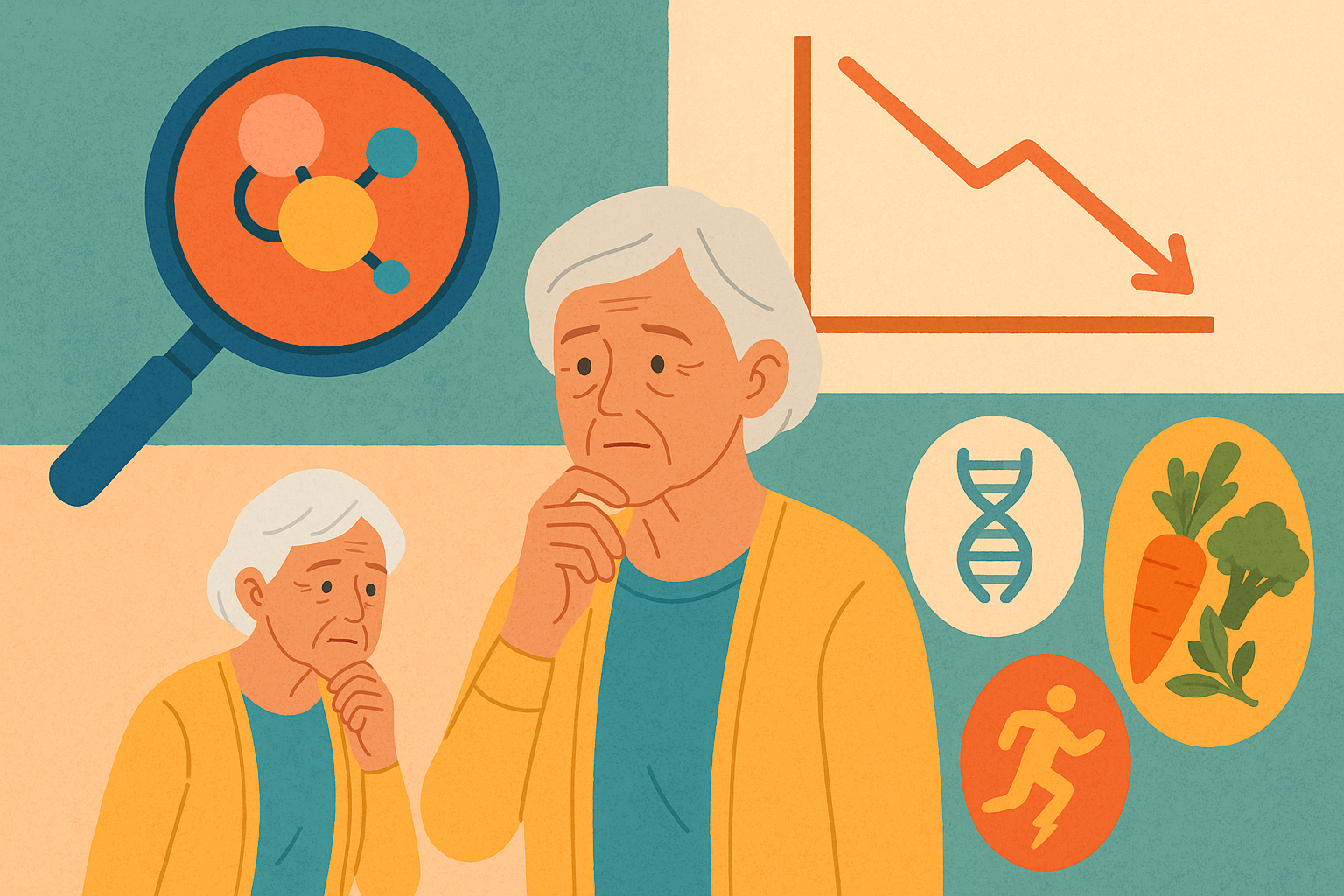
NAD levels naturally decline with age—sometimes by as much as 50% by middle age—due to increased enzymatic breakdown and reduced production efficiency.
Lifestyle factors like regular exercise, quality sleep, intermittent fasting, and reduced alcohol intake can help naturally support healthy NAD levels.
NAD precursor supplements like NMN and NR show promise in early research but should be used thoughtfully and ideally under medical guidance.
NAD support works best as part of a holistic approach to healthy aging rather than a standalone solution.
Frequently Asked Questions
Key Takeaways
NAD (nicotinamide adenine dinucleotide) is a critical coenzyme involved in energy production, DNA repair, immune function, and activating longevity-related sirtuin proteins.
NAD levels naturally decline with age—sometimes by as much as 50% by middle age—due to increased enzymatic breakdown and reduced production efficiency.
Lifestyle factors like regular exercise, quality sleep, intermittent fasting, and reduced alcohol intake can help naturally support healthy NAD levels.
NAD precursor supplements like NMN and NR show promise in early research but should be used thoughtfully and ideally under medical guidance.
NAD support works best as part of a holistic approach to healthy aging rather than a standalone solution.
Frequently Asked Questions
Somewhere inside every cell in your body, a quiet chemical drama is unfolding—one that determines how much energy you have, how well your body repairs itself, and quite possibly how gracefully you age. The molecule at the center of this drama is called NAD, short for nicotinamide adenine dinucleotide. Scientists have studied it for decades, but only recently has it become a household topic among people interested in longevity and healthy aging. So what exactly is NAD, why does it decline with age, and—perhaps most importantly—what can you actually do to increase it?
NAD is a coenzyme found in every living cell. Think of it as a molecular shuttle that helps convert the food you eat into usable energy. Without NAD, your mitochondria—the tiny power plants inside your cells—simply couldn't function. But NAD does far more than power metabolism.
It also plays a critical role in:
In short, NAD is not a niche biochemical curiosity. It is foundational to how your body functions at the most basic level.
Here's where things get interesting—and a little concerning. Research published in journals such as Cell Metabolism has shown that NAD levels can decline by as much as 50 percent between young adulthood and middle age. By the time a person reaches their 60s or 70s, NAD levels may be a small fraction of what they were in youth.
Several factors contribute to this decline:
As NAD levels fall, cells become less efficient at producing energy and repairing damage. This is thought to contribute to many hallmarks of aging, including fatigue, slower recovery from illness or exercise, cognitive decline, and reduced metabolic flexibility.
Much of the excitement around NAD stems from animal studies showing that boosting NAD levels can extend lifespan and improve markers of health in mice. Research from institutions such as Harvard Medical School and the National Institute on Aging has demonstrated that restoring NAD levels in older or diseased mice can improve muscle function, insulin sensitivity, and even cardiovascular health.
Human research is still catching up, but early clinical trials involving NAD precursors have shown promising results, including improved insulin sensitivity in prediabetic women and modest increases in physical performance among older adults. While scientists caution against overstating these findings, the overall trend suggests that maintaining healthy NAD levels may be a meaningful piece of the healthy-aging puzzle.
The good news is that you don't necessarily need exotic treatments to support healthy NAD levels. Several evidence-based lifestyle strategies can help.
Physical activity—particularly a mix of aerobic exercise and resistance training—has been shown to increase NAD levels in muscle tissue. Exercise activates enzymes involved in NAD production and improves mitochondrial function, creating a positive feedback loop for cellular energy.
NAD levels follow a circadian rhythm, and chronic sleep deprivation disrupts this cycle. Aiming for consistent, high-quality sleep supports the body's natural NAD production and repair processes that largely occur overnight.
Studies suggest that periods of fasting or calorie restriction can boost NAD levels by activating pathways related to cellular stress resistance and repair. This doesn't require extreme dieting—simply narrowing your eating window or avoiding late-night snacking may offer benefits.
While food alone won't dramatically spike NAD levels, certain nutrients serve as building blocks for NAD production. Foods rich in tryptophan, niacin (vitamin B3), and riboflavin support the body's natural synthesis pathways. These include:
Alcohol metabolism consumes large amounts of NAD, diverting it away from repair and energy production. Reducing alcohol intake—and moderating sugar, which contributes to inflammation—can help preserve existing NAD reserves.
Two compounds have gained significant attention in longevity research: nicotinamide mononucleotide (NMN) and nicotinamide riboside (NR). Both are precursors that the body converts into NAD. Early human trials suggest these supplements can meaningfully raise blood NAD levels, though long-term safety and efficacy data are still being gathered. As with any supplement, it's wise to consult a healthcare provider before starting, particularly if you have underlying health conditions or take other medications.
It's important to approach NAD-boosting strategies with realistic expectations. While the science is compelling, NAD supplementation is not a magic bullet for reversing aging. Rather, it appears to be one piece of a much larger picture that includes diet, exercise, sleep, stress management, and social connection—all of which interact to influence how well we age.
Researchers continue to study optimal dosing, long-term safety, and which populations may benefit most from NAD-boosting interventions. For now, the most reliable path to supporting healthy NAD levels remains rooted in fundamental lifestyle habits, with supplementation as a potential complementary strategy rather than a replacement for healthy living.
NAD is a foundational molecule that powers your cells, protects your DNA, and supports systems throughout your body. Its natural decline with age helps explain many of the changes we associate with getting older—reduced energy, slower recovery, and increased vulnerability to disease. Fortunately, simple, well-supported strategies like regular exercise, quality sleep, mindful eating, and reduced alcohol intake can help preserve NAD levels naturally. For those interested in going further, NAD precursor supplements represent a promising, though still evolving, area of longevity science. As research continues, one thing is increasingly clear: taking care of your NAD levels may be taking care of your future self.

Susan Parker is a 49-year-old Senior Manager at a marketing firm. With two older children becoming more independent, she is now focusing on her own health and wellbeing. She’s passionate about natural and holistic health approaches, and values high-quality, trustworthy products. Susan enjoys yoga, gardening, reading, and cooking, and seeks to stay energetic and sharp while balancing a busy career and personal life.
 11 sources cited