What Is NMN, Where Can You Get It, and What Does It Actually Do?
Written by Susan Parker | Updated on August 21, 2026
Reviewed by Susan Parker

Written by Susan Parker | Updated on August 21, 2026
Reviewed by Susan Parker
Key Takeaways
NMN is a precursor to NAD+, a coenzyme essential for energy production, DNA repair, and cellular metabolism that naturally declines with age.
Animal studies show promising anti-aging effects, but human research remains limited to small, short-term trials with modest results.
NMN can be found in small amounts in foods like broccoli and edamame, but supplements provide much higher, research-level doses.
The regulatory status of NMN as a supplement varies by country and has faced legal challenges in the United States.
While generally well-tolerated in trials, long-term safety data is lacking, so consulting a healthcare provider before use is recommended.
Frequently Asked Questions
Key Takeaways
NMN is a precursor to NAD+, a coenzyme essential for energy production, DNA repair, and cellular metabolism that naturally declines with age.
Animal studies show promising anti-aging effects, but human research remains limited to small, short-term trials with modest results.
NMN can be found in small amounts in foods like broccoli and edamame, but supplements provide much higher, research-level doses.
The regulatory status of NMN as a supplement varies by country and has faced legal challenges in the United States.
While generally well-tolerated in trials, long-term safety data is lacking, so consulting a healthcare provider before use is recommended.
Frequently Asked Questions
Walk into any health food store or scroll through wellness ads online, and you'll likely encounter NMN—a compound promoted as a cutting-edge tool for slowing aging and boosting energy. But what exactly is this molecule, and does the science support the hype? Here's what you need to know about one of the longevity world's most talked-about supplements.
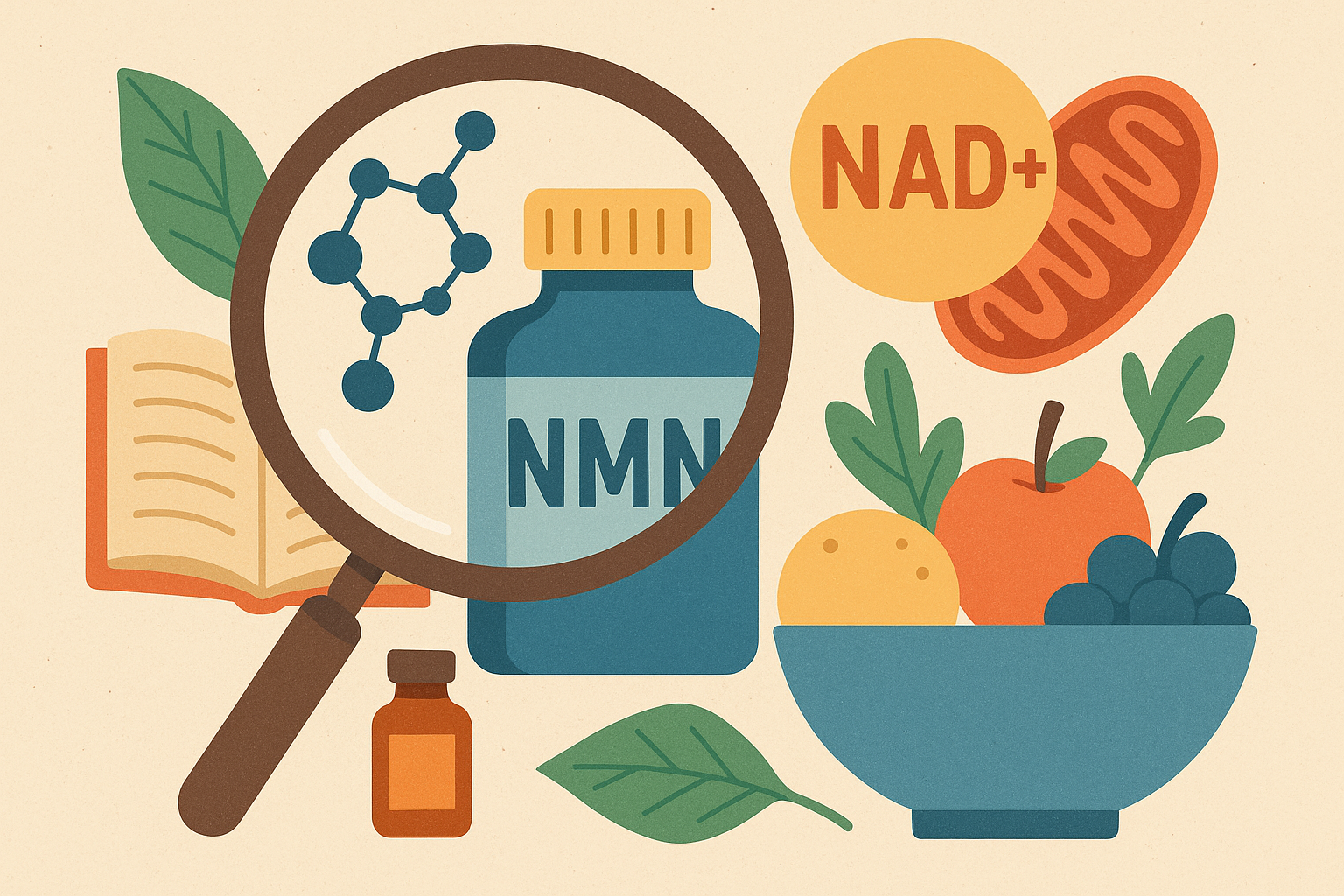
NMN, or nicotinamide mononucleotide, is a molecule naturally found in small amounts in foods like broccoli, avocado, cabbage, and edamame. It's also produced within your own cells. NMN serves as a direct precursor to NAD+ (nicotinamide adenine dinucleotide), a coenzyme that every cell in your body needs to function properly.
Think of NAD+ as a kind of cellular currency. It's essential for converting food into energy, repairing damaged DNA, and regulating the activity of proteins called sirtuins, which are believed to play a role in aging and longevity. The problem? NAD+ levels decline significantly as we age—by some estimates, dropping by more than 50% between young adulthood and our senior years.
This decline has been linked to many hallmarks of aging, including reduced energy metabolism, impaired DNA repair, and increased inflammation. Because NMN is a building block your body uses to manufacture NAD+, researchers have become increasingly interested in whether supplementing with NMN could help restore youthful NAD+ levels and, by extension, slow certain aspects of aging.
Once ingested, NMN is absorbed and converted into NAD+ through a series of enzymatic steps. This process is thought to support several critical cellular functions:
Much of the excitement around NMN stems from studies conducted on mice, particularly research from Dr. David Sinclair's lab at Harvard Medical School, which found that older mice given NMN showed improvements in energy metabolism, muscle function, and even cardiovascular health that made them resemble much younger animals in certain biomarkers.
While the animal data is compelling, human research is still in earlier stages. Several small clinical trials have been conducted, with generally promising but modest results.
A 2021 study published in the journal Endocrine Journal found that NMN supplementation was safe and well-tolerated in healthy men, and it effectively raised NAD+ levels in the blood. Another study conducted at Washington University School of Medicine examined postmenopausal women with prediabetes and found that NMN supplementation improved insulin sensitivity in muscle tissue, though it didn't significantly affect other metabolic markers like body weight or blood sugar levels.
A more recent 2022 study published in GeroScience looked at NMN's effects on physical performance in middle-aged and older adults, finding modest improvements in walking speed and other measures of physical function after 60 days of supplementation.
It's important to note that these studies typically involve small sample sizes and short durations. Long-term studies examining whether NMN supplementation actually extends human lifespan or meaningfully reduces age-related disease risk simply don't exist yet—and given the nature of aging research, they may take decades to produce definitive answers.
NMN is available through several channels, though its regulatory status varies by region and has shifted in recent years.
You can find small amounts of NMN naturally in foods such as:
However, the quantities present in food are far lower than what's used in clinical studies, making dietary sources alone insufficient for those seeking a therapeutic dose.
NMN supplements are sold online and in specialty health stores, typically in capsule, powder, or sublingual tablet form. Prices and quality vary considerably, and because the supplement industry isn't tightly regulated in most countries, third-party testing and reputable brand sourcing become especially important.
In the United States, the regulatory landscape has been complicated. The FDA has taken the position that NMN cannot be legally marketed as a dietary supplement because it was previously studied as a pharmaceutical drug, though this determination has faced legal challenges and pushback from supplement manufacturers. As of now, some NMN products remain available for purchase, but the situation continues to evolve, and consumers should stay informed about the current legal status.
In other countries, including parts of Asia and Europe, NMN is more readily available and often sold with less regulatory ambiguity.
Early clinical trials suggest NMN is generally well-tolerated at doses used in research, typically ranging from 250 mg to 1,250 mg per day, with no serious adverse effects reported. However, long-term safety data in humans remains limited.
Before considering NMN supplementation, keep these points in mind:
NMN represents a genuinely fascinating area of longevity science, rooted in solid biological rationale about NAD+ decline and its role in aging. Animal studies have produced encouraging results, and early human trials suggest safety along with modest metabolic benefits. However, the leap from promising research to a proven anti-aging intervention hasn't been made yet.
If you're curious about NMN, approach it with realistic expectations, prioritize product quality and safety, and consult with a healthcare professional. And remember that the fundamentals of healthy aging—balanced nutrition, regular exercise, quality sleep, and stress management—remain the most well-established tools we have for supporting long-term health, regardless of what cutting-edge supplements promise.

Susan Parker is a 49-year-old Senior Manager at a marketing firm. With two older children becoming more independent, she is now focusing on her own health and wellbeing. She’s passionate about natural and holistic health approaches, and values high-quality, trustworthy products. Susan enjoys yoga, gardening, reading, and cooking, and seeks to stay energetic and sharp while balancing a busy career and personal life.
 11 sources cited